
Interview
Intangible Cultural Heritage
03.11.2025
© Deutsche UNESCO-Kommission
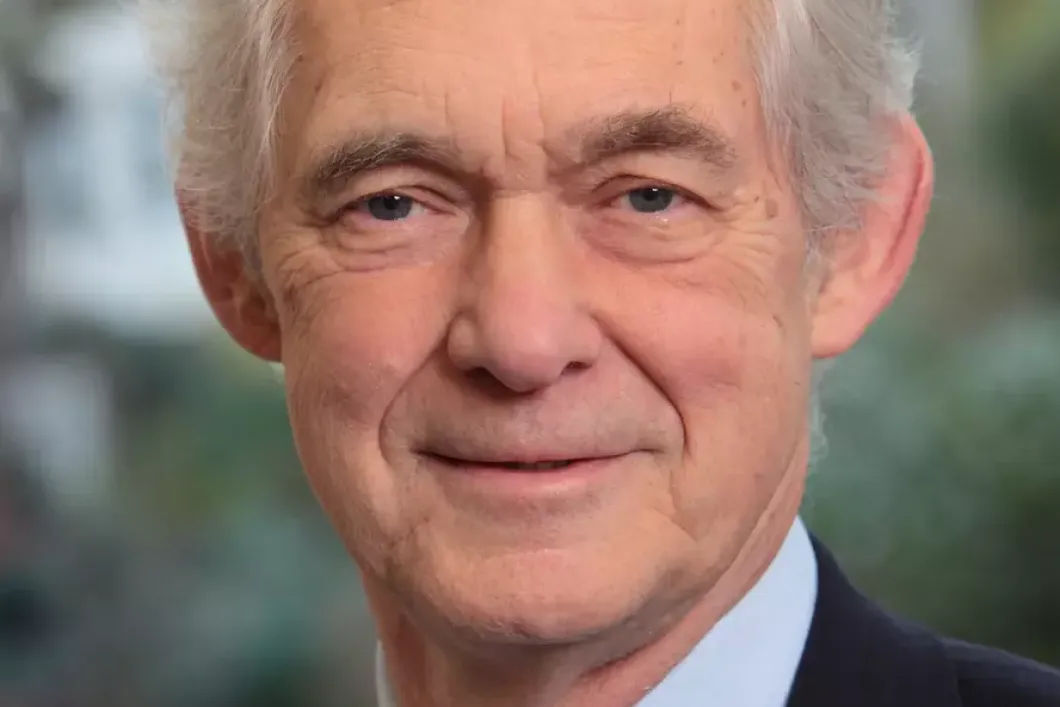
Vice President Professor Dr Christoph Wulf
What do Neapolitan pizza-making, the Barranquilla Carnival and the Nowruz festival have in common? They are all part of the Intangible Cultural Heritage of Humanity. Why traditional festivals and celebrations are an integral part of human culture is discussed by Professor Christoph Wulf, who for many years chaired the Committee on Intangible Cultural Heritage, in conversation with Diplomatisches Magazin.
DM
Professor Wulf, what exactly is meant by “intangible cultural heritage”?
Professor Dr Christoph Wulf
Intangible cultural heritage refers to living traditions that are passed down through generations and continually renewed in the process. It is not about buildings or monuments, but about knowledge, skills and forms of expression that shape our lives. These include storytelling, music, dance, rituals, festivals, knowledge of nature and traditional crafts. UNESCO speaks of “living heritage” because it is constantly evolving. Each generation adapts it to its own world and interprets it afresh. This is what keeps it relevant while remaining deeply rooted. Such heritage creates identity, strengthens communities and preserves diversity. It manifests itself in everyday life: in singing, in learning a dance, in workshops, at festivals, within families and associations. In this way, a social space emerges in which skills are shared, knowledge is preserved and creativity is fostered. Intangible cultural heritage is not a museum exhibit, but a lived practice that connects people and builds a bridge between past and present.
DM
Why do festivals and celebrations form part of this heritage?
Professor Dr Christoph Wulf
Festivals are probably the most visible form of intangible cultural heritage. They bring together music, dance, craftsmanship, cuisine and ritual in a shared experience that unites people. A festival is more than an occasion for celebration: it structures the year, creates memories and strengthens social cohesion. Durga Puja in India is a striking example: entire neighbourhoods are transformed into elaborately designed temples, artisans work for weeks on figures and stage sets, and millions celebrate together. Equally significant is the spring festival of Nowruz, celebrated from Central Asia to the Middle East, marking the beginning of spring and bringing families together across borders. Such festivals are not folklore of the past, but lived realities of the present. They show how traditions keep songs, dances and crafts alive, turn places into meeting points and bring people together across generations. Festivals are therefore far more than entertainment – they are expressions of living identity.
DM
What criteria must be met for a festival to be recognised as intangible cultural heritage?
Professor Dr Christoph Wulf
As a rule, a festival must have taken place regularly over several generations and be recognised by its community as an important part of its identity. This community – the so-called bearer group – must not only support the nomination as intangible cultural heritage, but actively drive it forward. The application must include concrete measures for the future safeguarding and development of the heritage: documentation, training, the involvement of younger people and support for practitioners. In addition, the festival must be listed in a national inventory before UNESCO can include it on the global lists of Intangible Cultural Heritage. Examples show how this works: the Carnival of Oruro in Bolivia brings together dance, masks, music and elaborate costumes, is prepared each year by the city’s communities and has programmes to pass on skills. Mexico’s Día de los Muertos meets the criteria because families create altars, offer food and flowers, and pass on rituals through schools and communities. In doing so, they fulfil the requirements for UNESCO inscription: they are living traditions, carried by people, and they foster dialogue and visibility far beyond their region.
DM
What does a community or region gain when a festival is recognised as intangible cultural heritage? And are there obligations attached?
Professor Dr Christoph Wulf
For a community, inscription is a great honour. The festival gains greater public awareness, attracts visitors and often strengthens the local economy. More importantly, however, people rediscover the value of their traditions, take pride in them and pass on knowledge, songs, dances and skills. This creates cohesion. Recognition also brings responsibilities: the community must keep the celebration alive, involve the bearers, document and communicate it, and report on it regularly. Funding does not flow automatically, but increased visibility helps to attract support. Partnerships often develop with museums, cultural associations and schools, which create materials, build archives and develop programmes for children. In this way, the title becomes an incentive not merely to celebrate a festival, but to safeguard it so that future generations can naturally continue it.
Interview Marie Wildermann
Interview Marie Wildermann